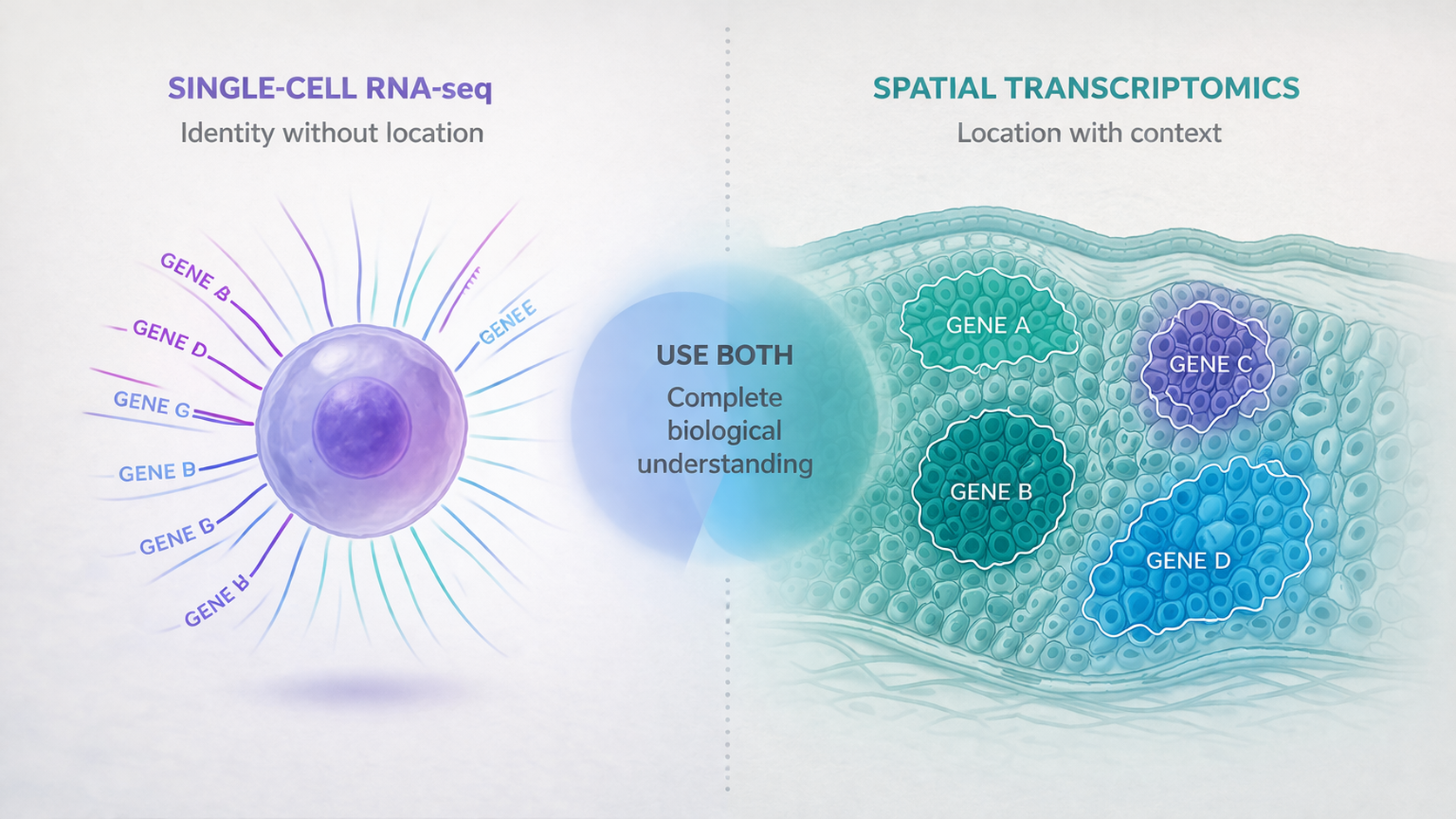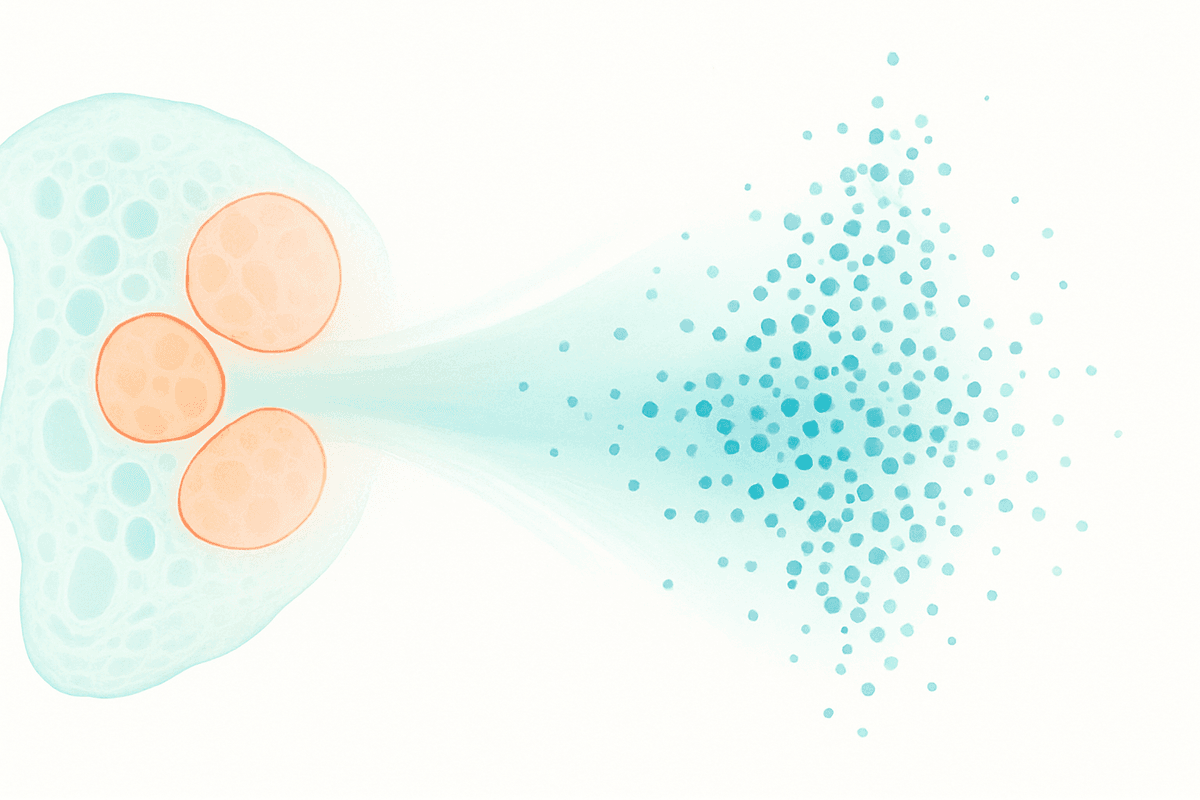
Single-Cell vs. Spatial: When to Use Which (and When to Use Both)

A decision framework for choosing between single-cell RNA-seq and spatial transcriptomics for your study — based on the biological question, not the technology hype.
Research insights, technical guides, and perspectives on bioinformatics and computational biology.
A decision framework for choosing between single-cell RNA-seq and spatial transcriptomics for your study — based on the biological question, not the technology hype.
A practical guide for researchers contracting bioinformatics analysis for the first time. What to define upfront, what to expect in deliverables, and how to avoid scope creep.
Core facilities generate more data than ever but often lack the bioinformatics capacity to analyze it. How external analysis partnerships solve this bottleneck without building an in-house team.
How Cytogence FCS automates spillover matrix calculation from single-stain controls, with diagnostic metrics to verify compensation quality before analysis.
A practical comparison of major spatial transcriptomics platforms — resolution, throughput, cost, and which biological questions each is best suited to answer.
How Cytogence FCS integrates large language models as a copilot for flow cytometry analysis — from automated gating suggestions to population naming and strategy design.
A practical guide for researchers whose NanoString GeoMx DSP data didn't pass quality control. What the QC metrics mean, what can be salvaged, and when to re-run.
The technical reasoning behind choosing Rust over Electron, Python, or Java for a desktop flow cytometry application — and what it means for researchers analyzing large FCS files.
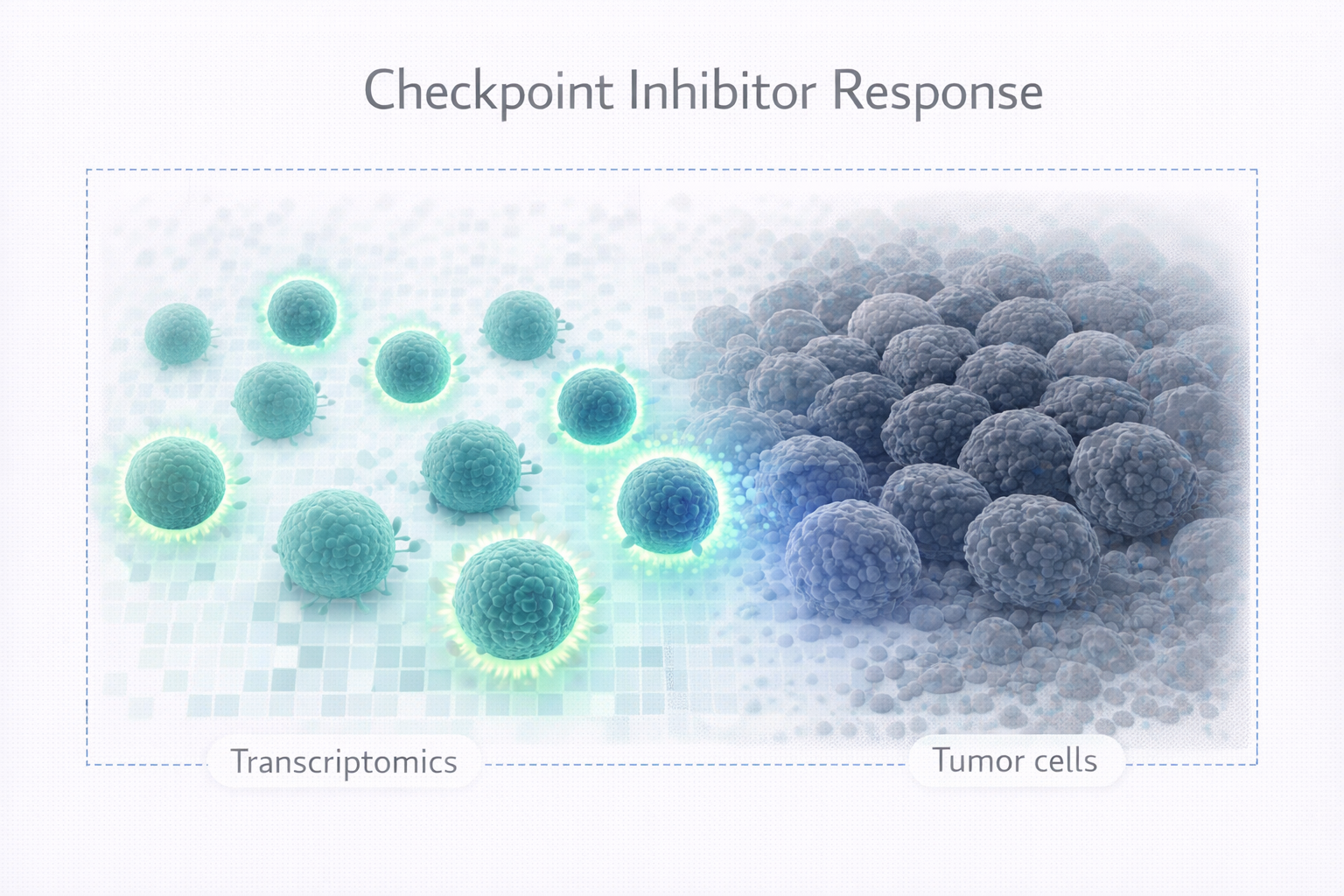
A framework for using spatial transcriptomics to predict immunotherapy response, covering immune topology, checkpoint co-expression patterns, and composite scoring approaches.
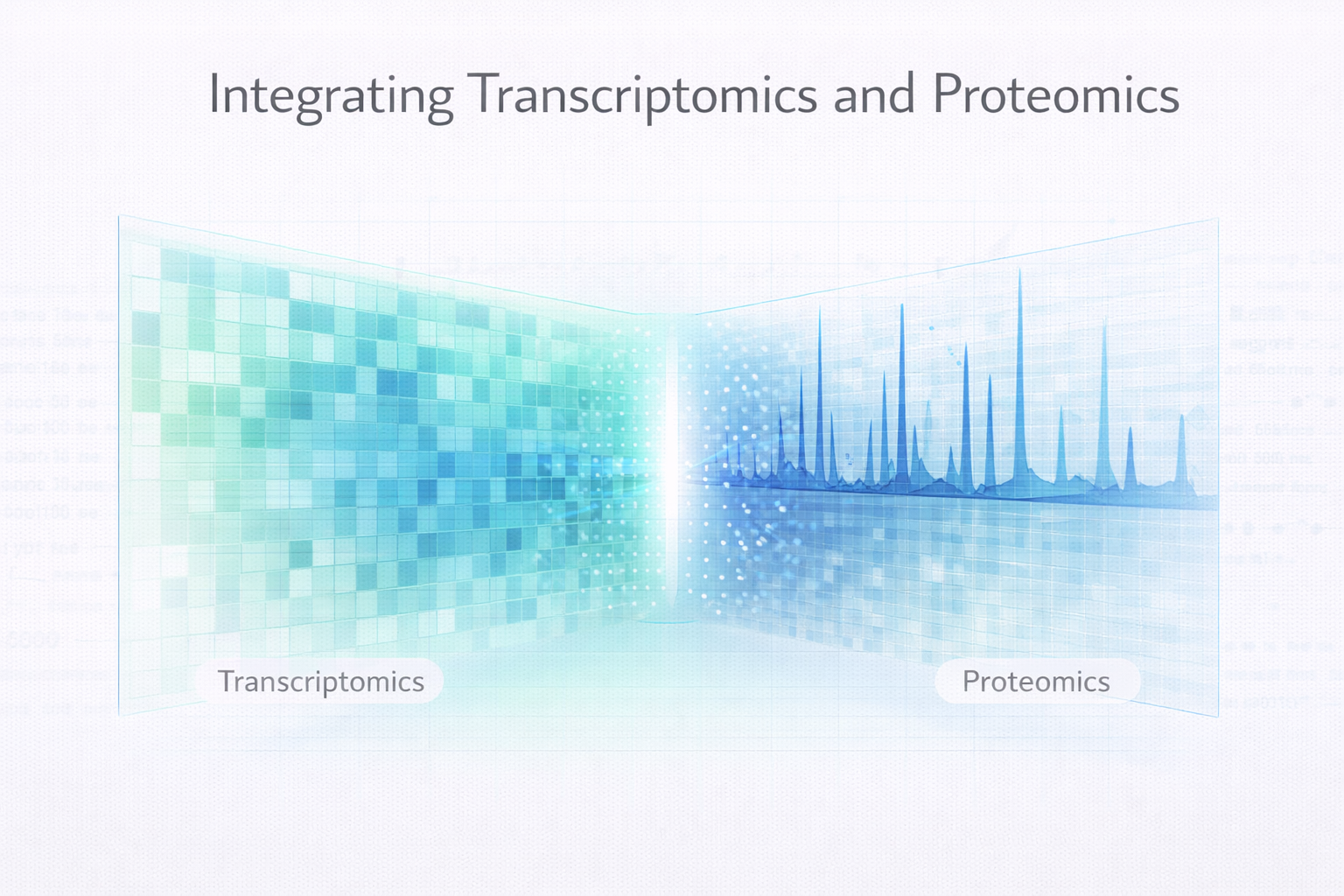
Step-by-step guide to multi-omics integration covering ID mapping, correlation approaches, pathway-level analysis, and realistic expectations for RNA-protein concordance.
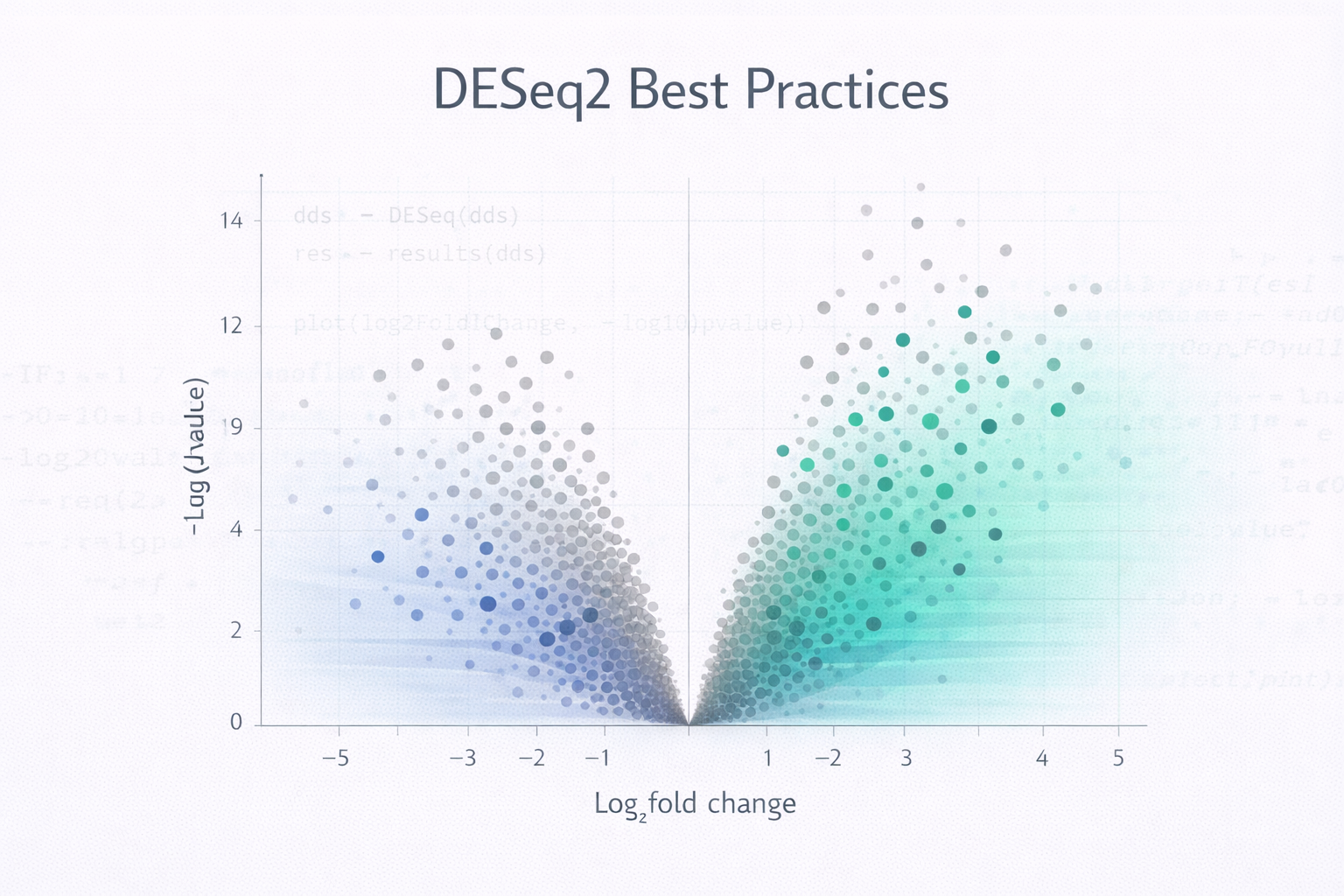
Comprehensive best practices for DESeq2 covering design formulas, normalization, outlier detection, contrast specification, and common pitfalls from dozens of projects.
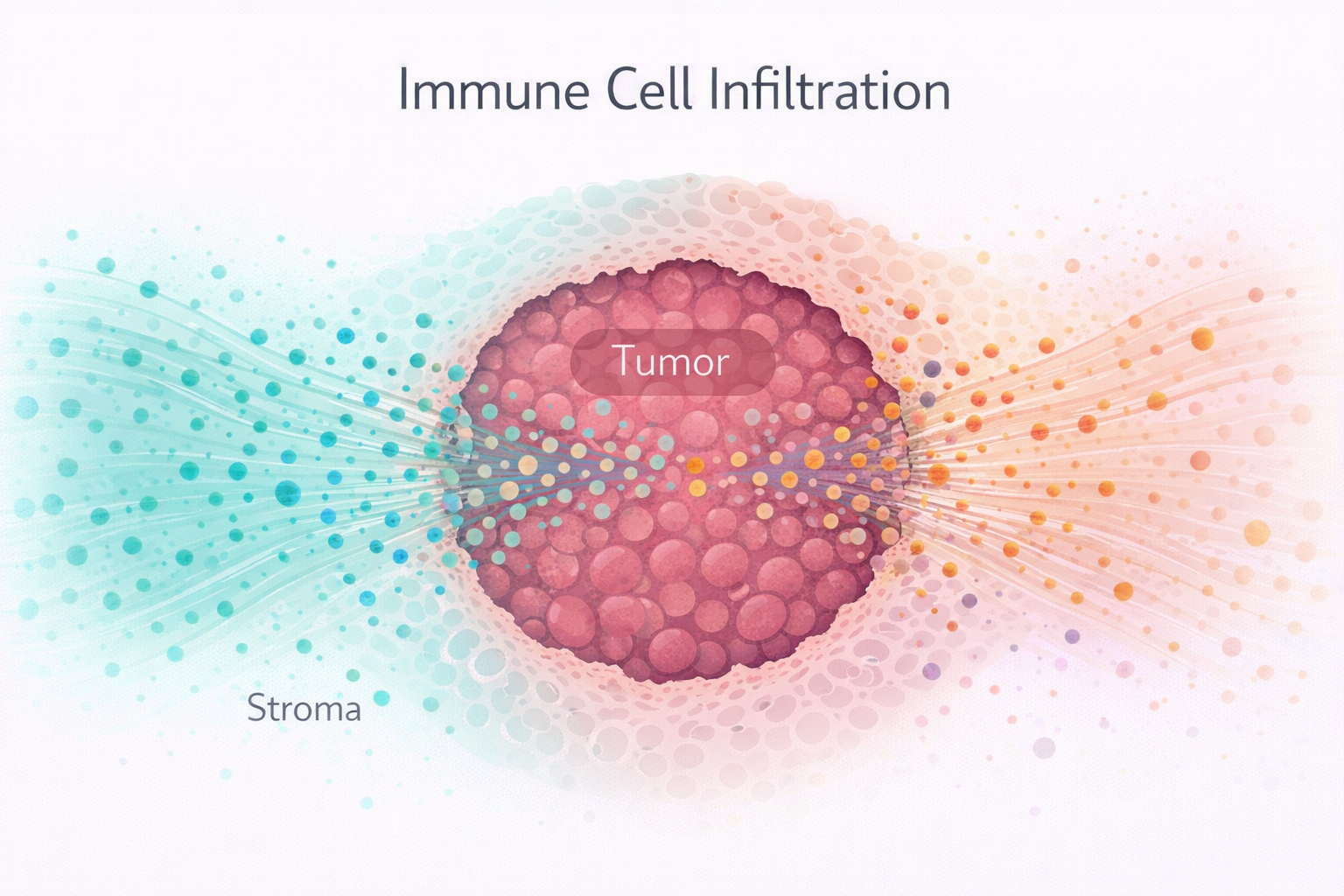
A comprehensive guide to characterizing tumor immune landscapes using spatial profiling with GeoMx DSP, including compartment-specific analysis and immune cell deconvolution.
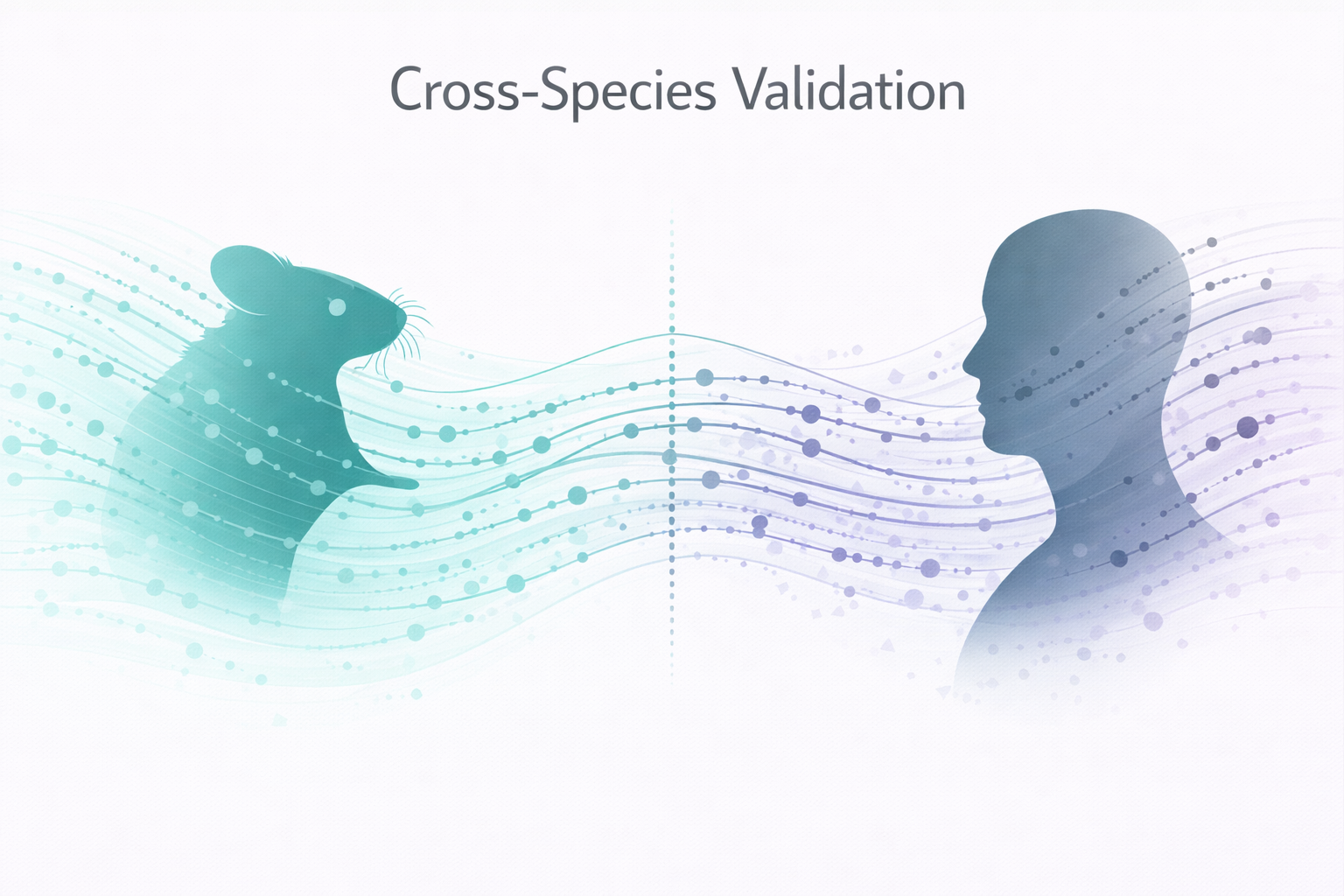
A data-driven framework for cross-species validation covering ortholog mapping, concordance analysis, and transcription factor-level comparisons.
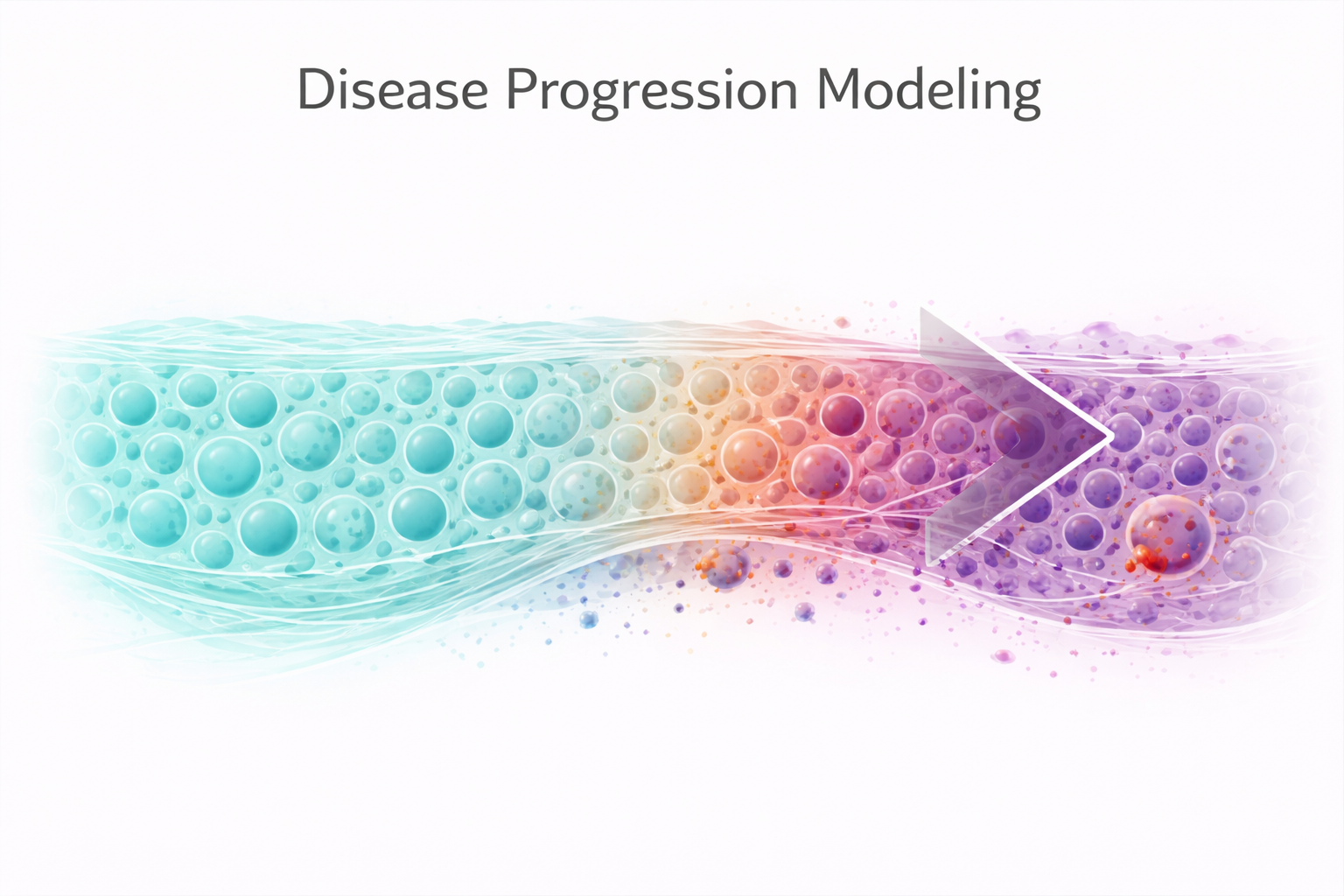
How spatial transcriptomics can reconstruct disease trajectories from a single tissue section by treating spatial regions as temporal proxies.
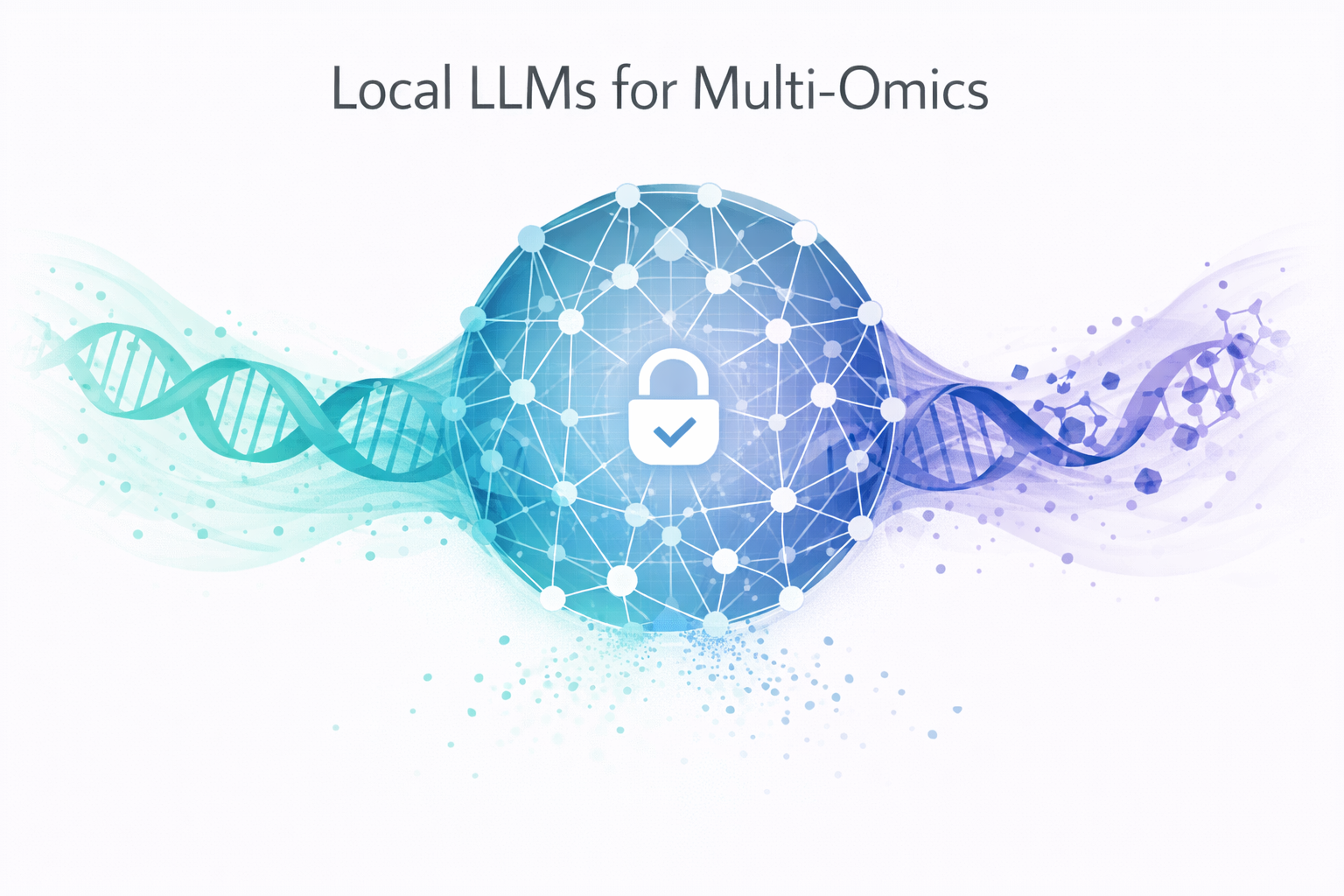
Exploring the use of local Large Language Models as a synthesis layer in multi-omics analysis, with a consensus-based approach to reduce hallucination risk.
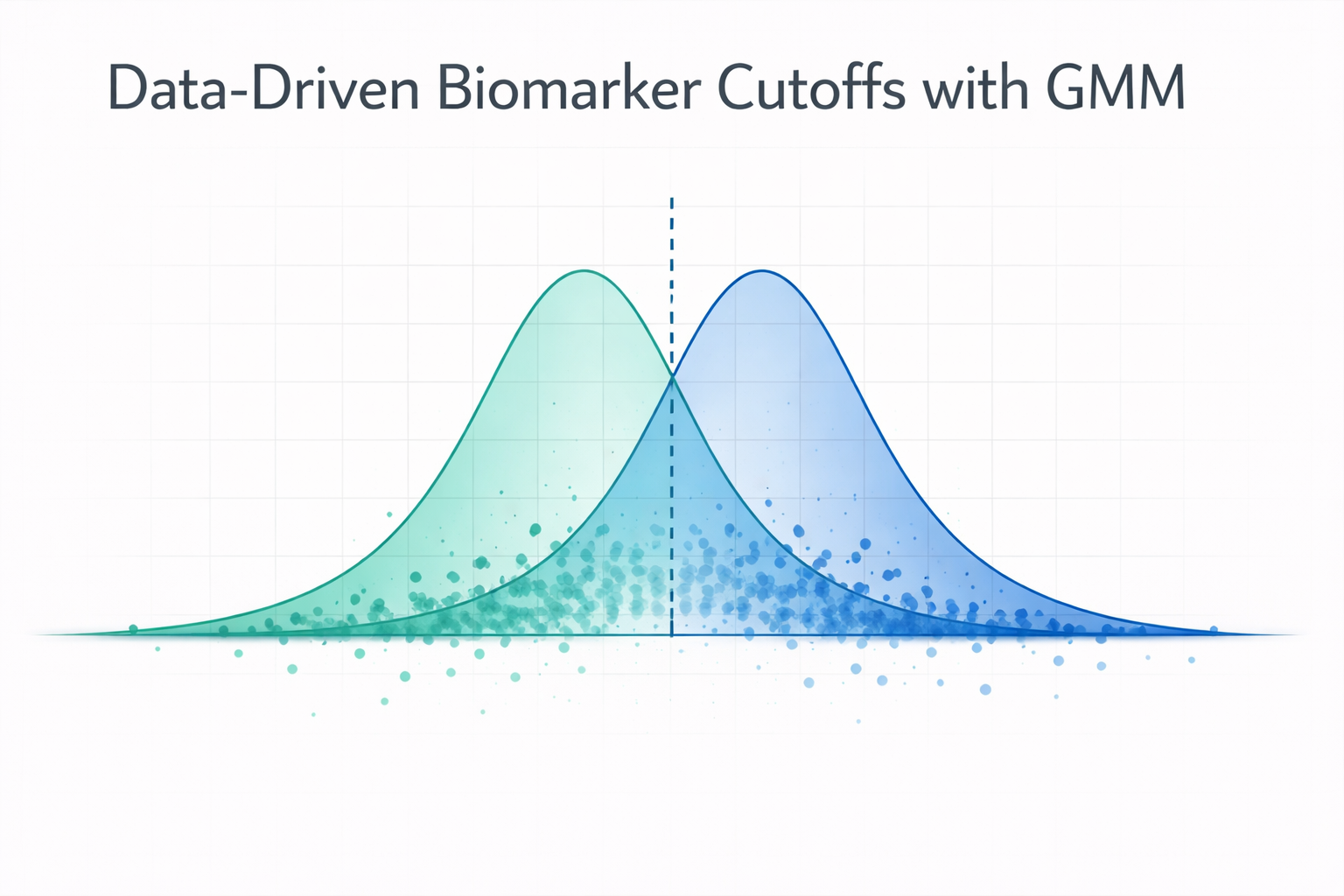
How Gaussian Mixture Models provide biologically-motivated biomarker cutoffs as an alternative to arbitrary percentiles, with R and Python code examples.
Why RNA and protein levels often disagree in spatial profiling, the biological mechanisms driving discordance, and practical strategies for multi-omics integration.
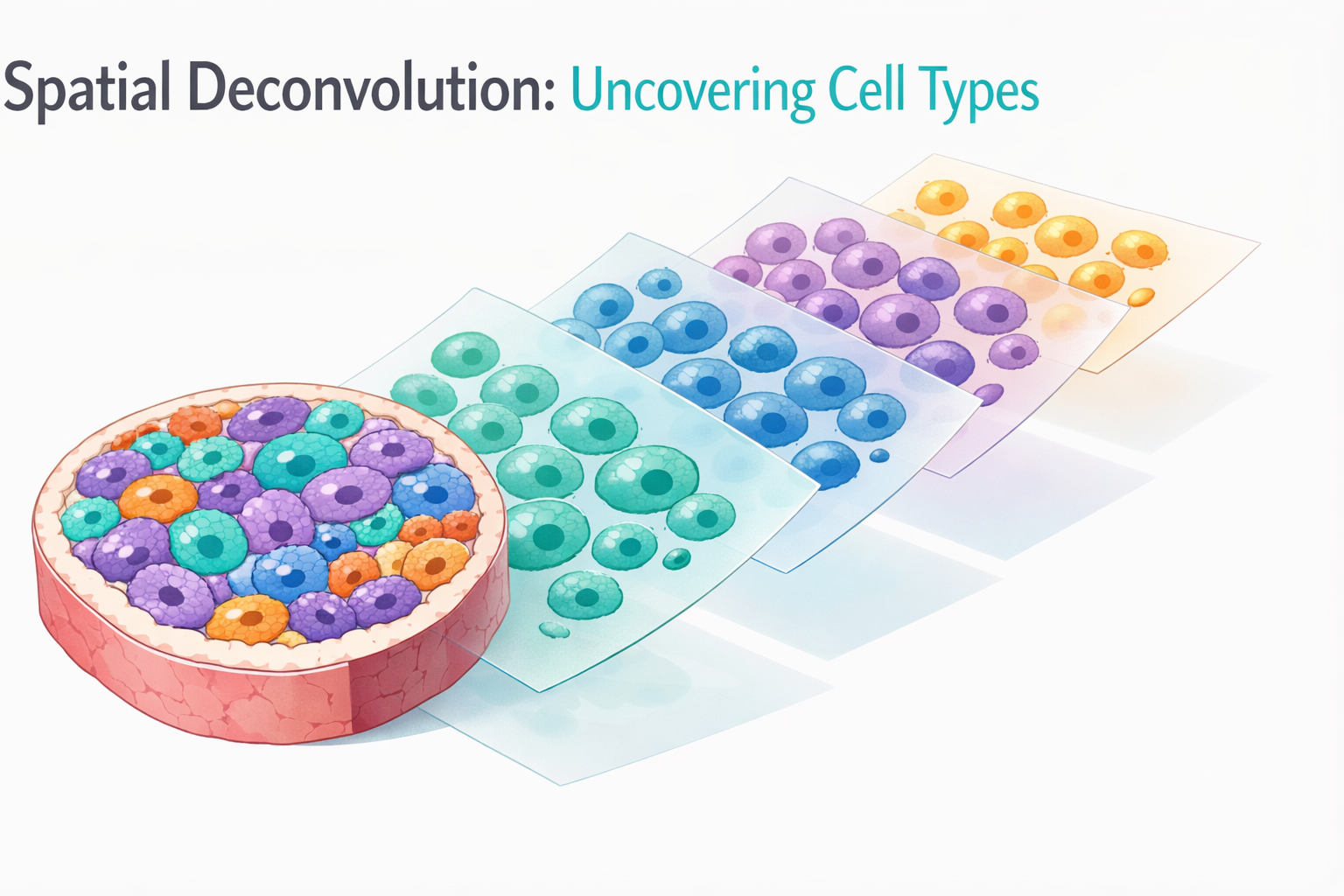
Learn how spatial deconvolution estimates cell type proportions in tissue regions using reference expression profiles, with practical guidance on SpatialDecon and GeoMx DSP workflows.
Learn how FlowCytometryTools revolutionizes flow cytometry data analysis with Python, now compatible with Python 3.x.
Understanding the differences between SBIR and STTR grants is crucial for securing funding for your innovation.
Discover why building R from source on Linux offers unrivaled performance.
Discover how Birmingham is emerging as a leading tech hub in the United States, with a focus on bioinformatics research.
Learn about the power of the nanostring GeoMx DSP system and how Cytogence can help with multidimensional data analysis.
Explore the critical role of data quality in high-throughput biology and learn how it impacts scientific research and discovery.
Explore the applications, limitations, and future possibilities of genomic medicine with advanced data analysis services from Cytogence.
Explore the latest trends and technologies shaping the future of proteomics and how Cytogence can help with advanced data analysis.
Discover the latest advancements in multi-omic analysis and how Cytogence can help with advanced data analysis.
Learn how artificial intelligence is revolutionizing precision medicine, improving outcomes, and reducing healthcare costs.
Discover the power of spatial transcriptomics in cancer research and how Cytogence can help with advanced data analysis